


shop-front fine-line
Dirty Deeds Tattoo Mobile Studio
Springfield Lakes QLD 4300, QLD
5.0
14 reviews Celtic tattoos feature the interlocking knots, spirals, and patterns of ancient Celtic art traditions. Celtic crosses, trinity knots, and armband designs are enduringly popular. The continuous, woven line patterns require an artist with exceptional precision and understanding of how Celtic knotwork flows. Look for blackwork or linework specialists whose portfolio shows clean, consistent interlacing patterns.
InkLocate's Australian tattoo library catalogues 14 celtic tattoo photos from 14 studios nationwide, each tagged by style, subject and placement. Across these, celtic tattoos are most often worked in geometric, blackwork and linework, and most commonly placed on the forearm, upper arm and back.


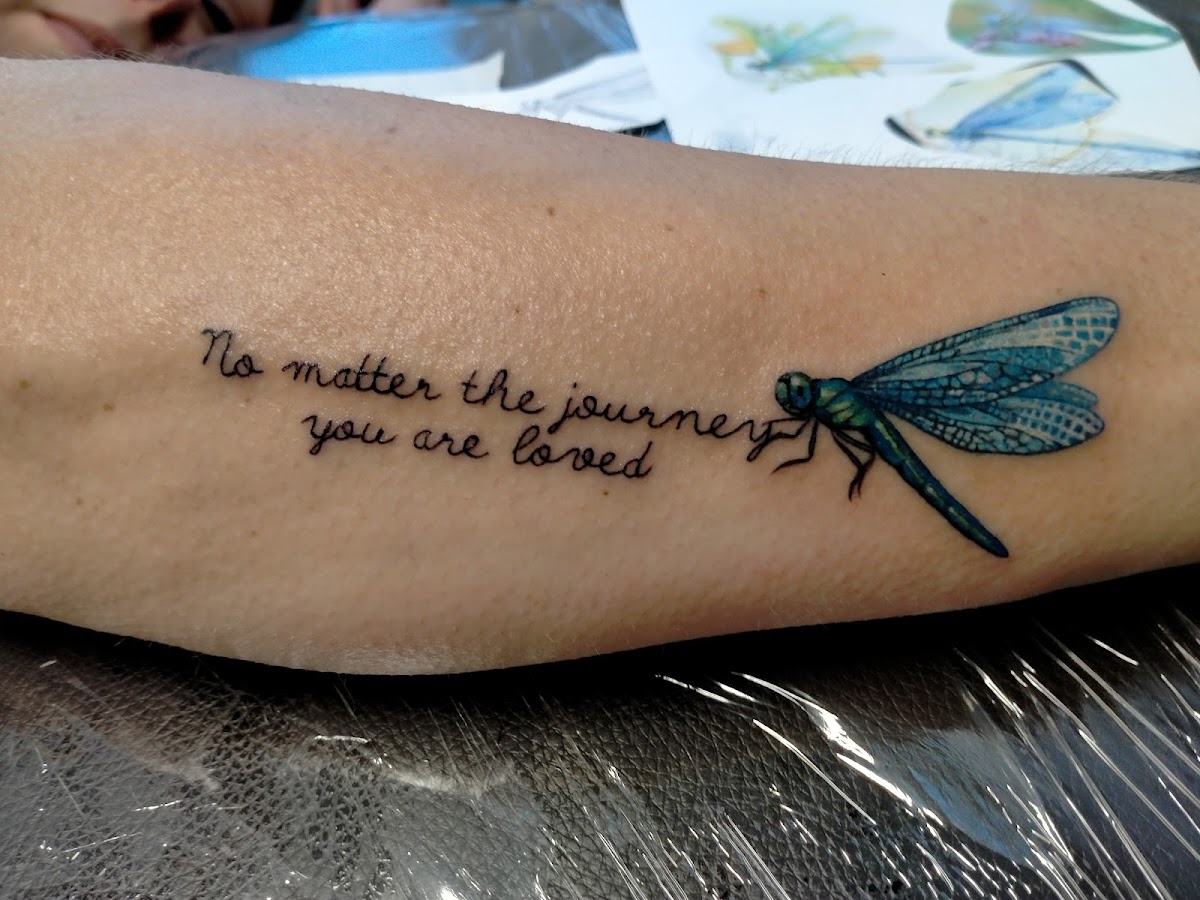


Celtic tattoos carry rich symbolism that varies across cultures and personal meaning. Browse artist portfolios on InkLocate to find designs that resonate with your interpretation. Your chosen artist can help refine the symbolism through custom design elements.
Celtic tattoo pricing depends on size, detail level, style, and artist experience. Small celtic pieces may start from $150-300, while larger detailed work can range from $500 to several thousand dollars. Use InkLocate to compare artists and request quotes directly.
Across InkLocate's Australian library, celtic tattoos most often appear in geometric, blackwork, linework and small tattoo. The best style depends on your aesthetic preference and how much detail you want — browse the celtic photos above to see how different artists interpret this subject.
In our library, celtic tattoos are most commonly placed on the forearm, upper arm, back and wrist. Smaller pieces suit the wrist, ankle, or behind the ear, while larger compositions work on the forearm, thigh, or back. Discuss placement with your artist during a consultation.